Home food sales limits and licences, province by province
How much can you sell from your home kitchen in Canada, and do you need a licence first? Here is the answer for every province we cover. Each row comes from our full guide for that province.
Every guide on this page was reviewed on or after October 15, 2026, against official sources.
Sales limits by province
6 of the 7 provinces we cover set no sales cap. Quebec sets a different kind of limit: 100 kg of food a month (no dollar cap). Once your sales pass $30,000, you need to register for GST/HST with the Canada Revenue Agency, and for QST in Quebec.
| Province | Annual sales cap |
|---|---|
| Alberta | No dollar cap |
| British Columbia | No dollar cap |
| Manitoba | No dollar cap |
| Nova Scotia | No dollar cap |
| Ontario | No dollar cap |
| Quebec | 100 kg of food a month (no dollar cap) |
| Saskatchewan | No dollar cap |
Starting a home bakery?
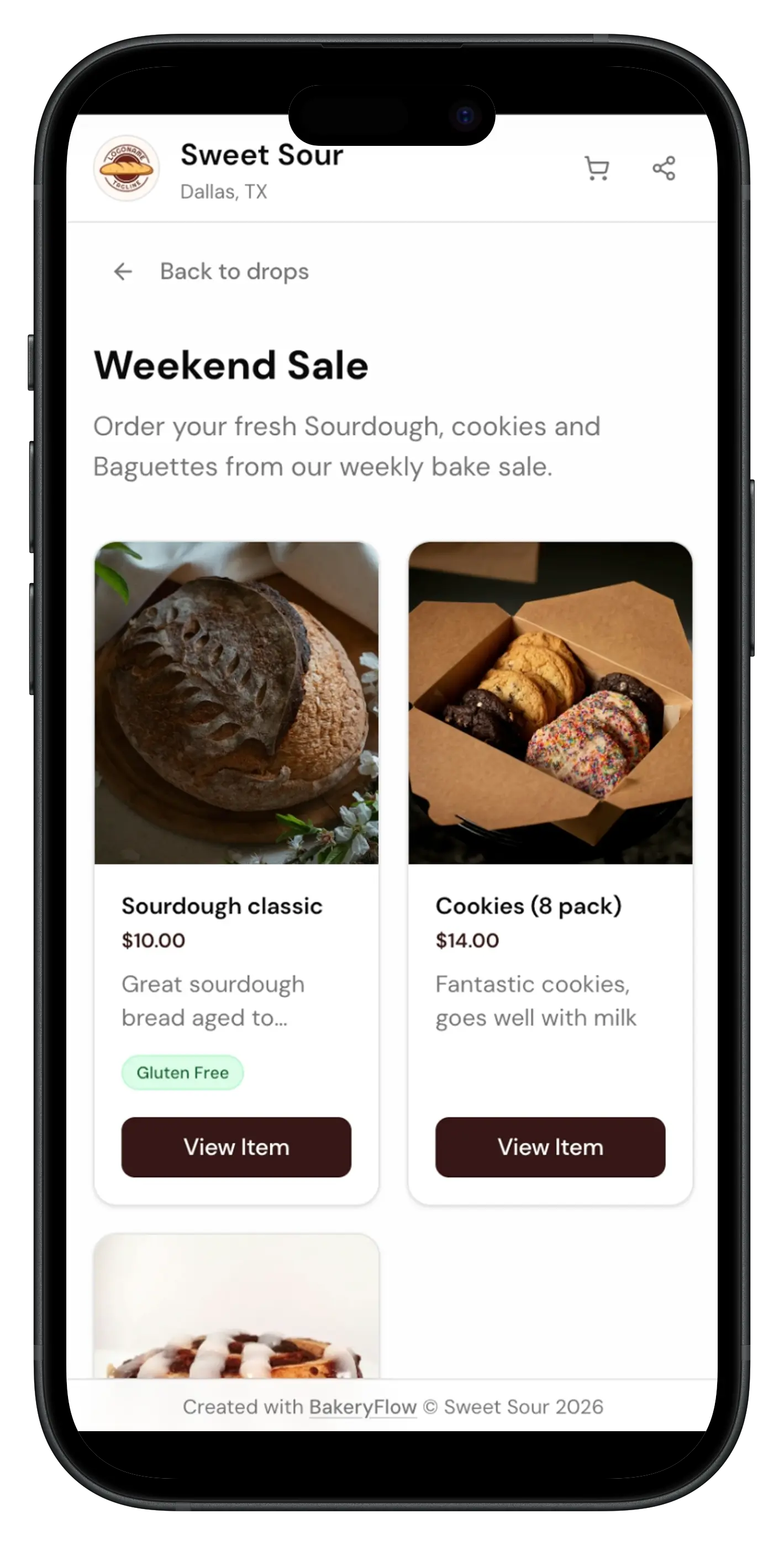
BakeryFlow is a phone app for home bakers. Share one storefront link, take pre-orders, then bake exactly what sold.
1-month free trial, then $6.99/month or $59.99/year.
Limits and licences by province
Alberta
Sales cap: No dollar cap
Alberta's Food Regulation doesn't set a sales cap for low-risk home-prepared food.
Licence or registration: No permit or registration with Alberta Health Services. You still have to follow the Food Regulation's rules for low-risk home-prepared food.
Read the Alberta home food guideBritish Columbia
Sales cap: No dollar cap
BC's temporary food market guideline doesn't set a sales limit. What limits you is which foods count as lower risk and where you can sell them. Once your sales pass $30,000, you'll need to register for GST.
Licence or registration: None for lower-risk foods sold at temporary food markets: you don't need to apply to or get approval from your health authority. Higher-risk foods need health authority approval and an approved commercial kitchen. For any other way of selling, like from home or online, talk to your health authority first.
Read the British Columbia home food guideManitoba
Sales cap: No dollar cap
Manitoba Health's guidelines don't set a sales cap. The limit is where you sell: only at farmers' markets and similar events.
Licence or registration: No permit of your own for low-risk foods. The market coordinator holds the market's health permit and lists each vendor and the foods they sell.
Read the Manitoba home food guideNova Scotia
Sales cap: No dollar cap
Nova Scotia's Food Safety Regulations don't set a sales cap for low-risk food made at home.
Licence or registration: No permit needed if your food is low risk. You don't need a public market vendor permit for low-risk (Schedule B) foods either.
Read the Nova Scotia home food guideOntario
Sales cap: No dollar cap
Ontario's Food Premises Regulation doesn't set a sales or revenue limit for home-based food businesses. Once your sales pass $30,000, you'll need to register for GST/HST.
Licence or registration: Tell your local public health unit that you're starting a food business before you open. Most units have an application or notification form on their website. Ontario doesn't issue a separate cottage food licence.
Read the Ontario home food guideQuebec
Sales cap: 100 kg of food a month (no dollar cap)
MAPAQ doesn't set a dollar limit, but a home kitchen permit holder can handle no more than 100 kg of food a month. Once your sales pass $30,000, you'll need to register for GST and QST.
Licence or registration: You need a MAPAQ food permit before you start. Making food for sale in a home kitchen is treated as restaurant activity, so it usually needs the restaurant (restauration) permit; dividing products into smaller portions for resale needs the retail (vente au détail) permit. Permits last one year and have an annual fee, plus a file-opening fee the first time.
Read the Quebec home food guideSaskatchewan
Sales cap: No dollar cap
The Food Safety Regulations don't set a sales cap for home food processors.
Licence or registration: No food facility licence needed. Home food processors are left out of the licensing rules for food facilities. Talk to your local public health inspector before making foods that aren't on the province's low-risk list.
Read the Saskatchewan home food guideFrequently asked questions
Which provinces have no sales cap on home food?⌄
Of the provinces we cover: Alberta, British Columbia, Manitoba, Nova Scotia, Ontario and Saskatchewan. Each one still limits which foods you can make and where you can sell them. Manitoba, for example, only allows sales at farmers' markets and similar events.
Do I need a licence to sell baked goods from home in Canada?⌄
It depends on your province. Alberta and Nova Scotia need no permit for low-risk food. In Ontario, you tell your local public health unit before you open. Quebec needs a MAPAQ permit before you start. Your city can add its own business licence on top. Find your province on this page.
How current are these numbers?⌄
Each row comes from our guide for that province, which we check against official sources. Rules can change, so confirm with your province and your local public health unit before you rely on them.
These guides are not legal advice
Home food rules change, and local rules can add to them. Each guide shows the date we last reviewed it and the official sources we used. Before you start selling, confirm the current rules with your provincial health or agriculture department, your local public health unit and your municipality.
Starting a home bakery?
BakeryFlow is a phone app for home bakers. Share one storefront link, take pre-orders, then bake exactly what sold.
1-month free trial, then $6.99/month or $59.99/year.